
Anxiety is something most people experience in response to specific stressors, like a looming deadline or an important presentation.
But what happens when anxiety has no clear trigger?
This type of pervasive, persistent worry is often referred to as free-floating anxiety. Unlike situational stress, free-floating anxiety can feel like a constant low-level pressure or unease that drifts through daily life, making it hard to focus, relax, or enjoy simple moments.
Living with this form of anxiety can be exhausting. It can affect relationships, work performance, and overall quality of life. Individuals may feel frustrated with themselves for not being able to identify a cause, which can intensify feelings of helplessness.
Understanding free-floating anxiety, its manifestations, and the therapeutic options available is critical for managing it effectively and regaining a sense of stability.
Key Takeaways
- Free-floating anxiety is a pervasive, persistent worry without a clear trigger that can affect daily life, focus, and relationships
- Online therapy for anxiety helps identify patterns, teach coping strategies, and develop emotional regulation skills
- Combining therapy with lifestyle habits and social connections strengthens long-term resilience
1. What Free-Floating Anxiety Feels Like
Free-floating anxiety is characterized by a generalized sense of worry and unease that doesn’t have an immediate or identifiable cause.
- Individuals may experience restlessness, difficulty concentrating, and persistent tension
- Physical symptoms often accompany emotional ones, including headaches, muscle tension, or a racing heart
- Sleep disturbances are common, as intrusive thoughts or vague worries make it hard to relax
Unlike anxiety triggered by specific events, free-floating anxiety seems omnipresent. People often describe it as a vague sense of impending doom or constant mental chatter. Recognizing these signs is the first step toward seeking effective support and interventions.
2. Common Triggers and Underlying Factors
Even though free-floating anxiety feels directionless, several underlying factors often contribute to its development:
- Chronic stress, such as ongoing work pressures, financial concerns, or personal responsibilities
- Unprocessed trauma or unresolved emotional experiences
- Biological or neurological predispositions, including neurotransmitter imbalances
- Habitual patterns of overthinking or catastrophic thinking
Understanding potential triggers can provide insight and direction for treatment. It’s also essential to acknowledge that free-floating anxiety is not a personal failing; it is a condition that can be managed with appropriate support and strategies.
3. How Therapy Can Help
Therapy offers tools to reduce the intensity of free-floating anxiety and regain control over daily life. Structured approaches provide coping mechanisms, self-awareness, and emotional regulation skills.
- Cognitive Behavioral Therapy(CBT) helps identify and challenge thought patterns that perpetuate worry
- Mindfulness-based therapies cultivate present-moment awareness, reducing rumination and intrusive thoughts
- Exposure and relaxation techniques teach individuals to tolerate anxiety without reacting impulsively
Speaking with a licensed therapist in CA can help people understand their unique patterns and develop sustainable coping mechanisms.
4. Benefits of Telehealth Therapy in CA

For many, accessing consistent therapy can be challenging due to scheduling, commuting, or other responsibilities. Telehealth therapy services make it easier to receive support without logistical stress.
- Virtual sessions offer flexibility, allowing individuals to attend therapy from home or any private space
- Consistent access to a telehealth therapist ensures ongoing guidance and accountability
- Online interventions provide tools and exercises between sessions, reinforcing skills and progress
Telehealth therapy is particularly valuable for those managing free-floating anxiety, as ongoing support and regular check-ins can prevent symptoms from escalating and provide a safe space to process emotions and strategies in real time.
5. Lifestyle Strategies to Reduce Anxiety
While therapy is central, lifestyle adjustments complement treatment and can significantly reduce free-floating anxiety:
- Physical Activity: Regular exercise releases endorphins, reduces stress hormones, and improves mood.
- Sleep Hygiene: Maintaining a consistent sleep schedule helps regulate emotional reactivity and mental clarity.
- Balanced Nutrition: Eating whole foods, staying hydrated, and limiting caffeine or sugar reduces physiological contributors to anxiety.
- Structured Routines: Creating predictable daily schedules can reduce feelings of uncertainty and improve emotional regulation.
Integrating these habits alongside therapeutic guidance strengthens resilience, helps manage physical symptoms, and supports long-term emotional stability.
6. Social Support and Connection
Isolation can amplify free-floating anxiety. Building supportive relationships is critical for emotional resilience:
- Engage with friends, family, or support groups to share experiences and gain perspective
- Participate in group therapy or skills-based classes to learn coping strategies from peers
- Discuss challenges with trusted individuals, reducing the burden of facing anxiety alone
Healthy social support reinforces therapeutic progress and provides encouragement, accountability, and shared understanding.
For individuals struggling to leave home or manage busy schedules, telehealth therapy in CA allows ongoing connection and guidance.
7. Maintaining Long-Term Resilience
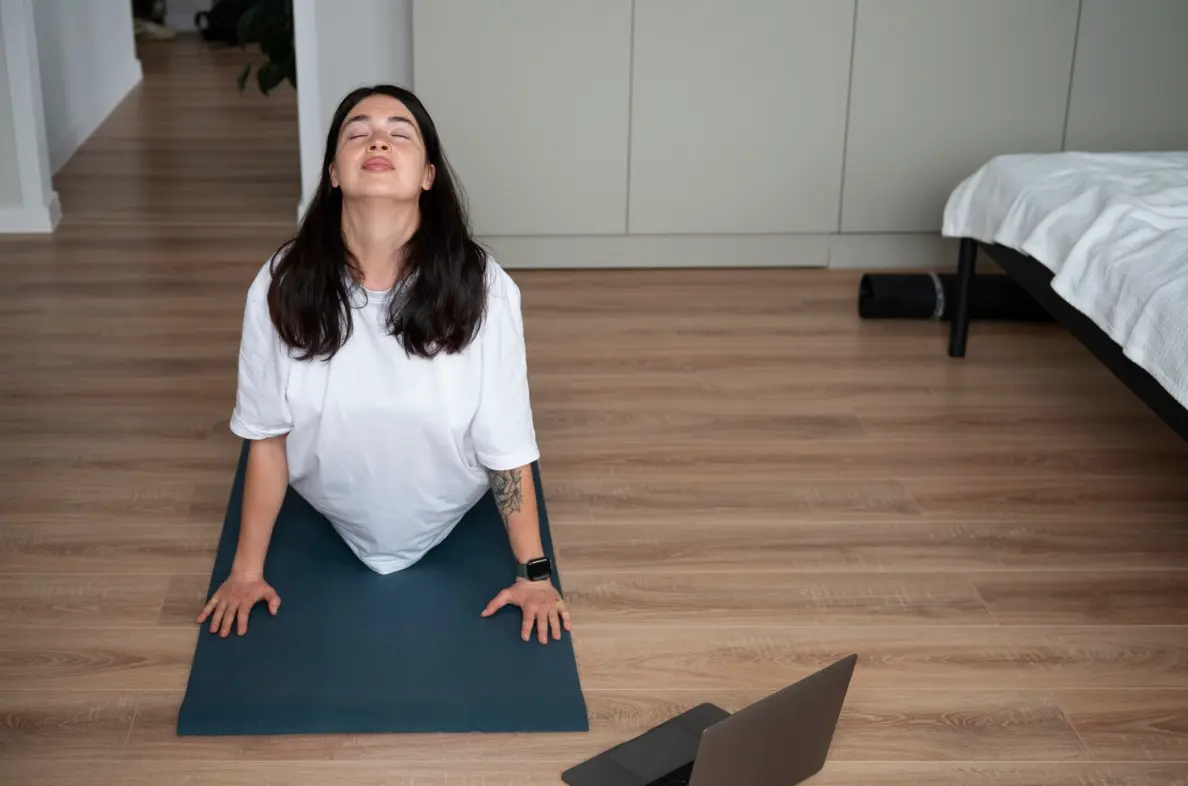
Free-floating anxiety is manageable, but it requires ongoing attention. Long-term strategies focus on sustaining progress and preventing relapse:
- Continue practicing mindfulness, breathing exercises, and cognitive restructuring daily
- Schedule periodic therapy sessions for check-ins, skill reinforcement, and emotional processing
- Maintain lifestyle routines that support physical and emotional well-being
- Celebrate progress, even small improvements, to reinforce self-efficacy
By integrating therapeutic techniques, lifestyle strategies, and social support, individuals can live with greater calm, focus, and confidence, minimizing the disruptive impact of free-floating anxiety.
Finding Calm Amid Uncertainty
Free-floating anxiety can feel overwhelming because it lacks a clear trigger, but it is treatable.
At MindShift Psychological Services, we provide compassionate support for those navigating anxiety. We offer online therapy for anxiety across California, including in-person therapy in Riverside and Corona, CA.
Partnered individuals with free-floating anxiety can also benefit from couples counseling and family therapy in CA.
We accept Medicare, Medi-Cal, IEHP, and Tricare insurance plans.
FAQs
- Can free-floating anxiety occur without a history of trauma or stress?
Yes. Some individuals experience generalized anxiety due to genetic predispositions, neurological factors, or personality traits, even without identifiable life stressors.
- How can I distinguish free-floating anxiety from situational stress?
Situational stress is linked to specific events or deadlines, whereas free-floating anxiety is pervasive, persistent, and often lacks a clear cause, affecting multiple areas of life.
- Is medication necessary to manage free-floating anxiety?
Medication is sometimes recommended for severe symptoms, but therapy and lifestyle strategies are effective for many. Treatment plans should be personalized with a qualified professional.
- Can children experience free-floating anxiety?
Yes. Children may show generalized worry, irritability, restlessness, or sleep disturbances. Early intervention with supportive therapy helps develop coping skills and emotional awareness.
- How effective is telehealth therapy for managing free-floating anxiety?
Very effective. With telehealth therapy services in CA, individuals get access to professional guidance, consistent support, and skill-building exercises without logistical constraints.